
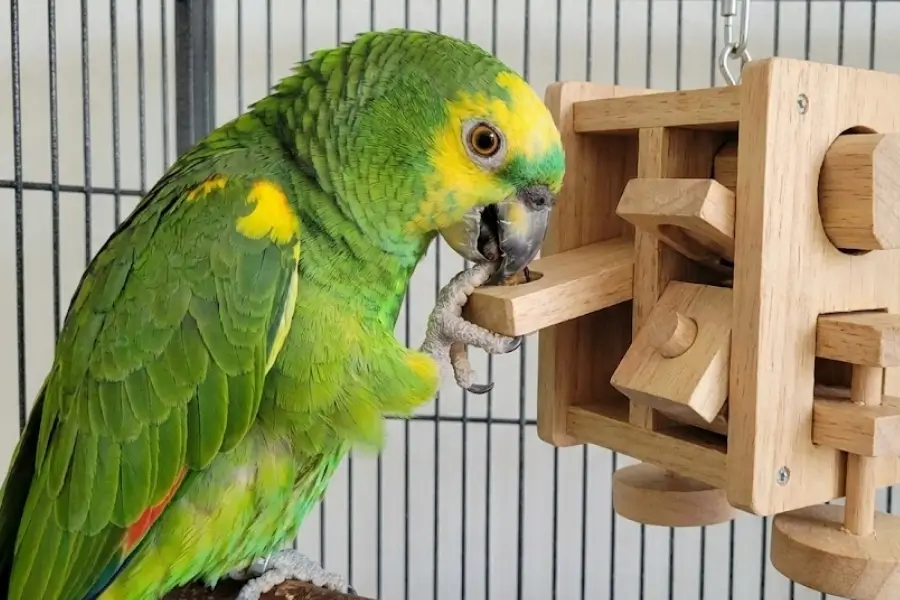
How to Keep Your Bird Happy Indoors: Complete Guide
Indoor birds require mental stimulation, exercise, and a comfortable environment to thrive. Understanding how to keep your bird happy indoors involves providing enrichment, interactive play, safe spaces, and proper daily routines.
This guide covers strategies, tips, and product recommendations to ensure indoor birds are healthy, engaged, and emotionally satisfied.
1. Provide Engaging Toys
Toys are critical for mental stimulation and preventing boredom in indoor birds.
Recommendations:
Chewable toys for beak exercise
Puzzle feeders to challenge problem-solving skills
Bells, mirrors, and interactive toys
Rotate toys regularly to maintain novelty and engagement.
2. Create Perches and Climbing Opportunities
Birds naturally enjoy climbing and exploring vertical spaces.
Tips:
Natural wood or rope perches
Climbing ladders and swings
Perches at different heights within the cage
Variety in perches supports foot health, exercise, and curiosity.
3. Enrichment and Exploration
Providing safe areas for exploration encourages natural behaviors.
Ideas:
Play stands and activity centers
Supervised out-of-cage time
Foraging toys to mimic natural behaviors
Indoor enrichment reduces stress and keeps birds active.
4. Comfortable Resting Spaces
Birds need secure, cozy spots for rest and sleep.
Recommendations:
Cage liners or soft resting areas
Covered sections for privacy
Elevated areas for security
Comfortable resting spaces support emotional wellbeing and reduce stress.
5. Feeding and Watering
Proper feeding routines and tools enhance health and engagement.
Tips:
Multiple bowls for food and water
Fresh water and balanced diet daily
Foraging feeders to stimulate natural behaviors
Interactive feeding encourages activity and mental stimulation.
6. Social Interaction
Birds are social creatures that benefit from interaction with owners.
Strategies:
Daily play and handling sessions
Gentle talking or singing to your bird
Short training exercises with rewards
Consistent interaction strengthens trust and emotional bonds.
7. Grooming and Hygiene
Regular grooming supports comfort and health.
Key practices:
Feather care through gentle brushing or preening
Nail trimming with bird-safe tools
Bathing options like spray bottles or shallow baths
Maintaining hygiene ensures wellbeing and reduces stress.
8. Safe Environment
A secure and stimulating environment prevents accidents and promotes activity.
Suggestions:
Avoid unsafe toys or small detachable parts
Secure windows and doors during out-of-cage time
Supervised exploration areas
Safety allows birds to explore and play confidently.
9. Age-Appropriate Products
Birds’ needs change with age, requiring adjustments in products and routines.
Young birds: chewable toys, light perches, frequent interaction
Adult birds: puzzle feeders, climbing structures, interactive play
Senior birds: softer perches, accessible food/water, gentle toys
Tailoring products ensures comfort, engagement, and safety.
10. Integrating Essential Products for Happiness
The right combination of products supports indoor birds’ mental, physical, and emotional health:
Toys and puzzle feeders for stimulation
Perches and climbing structures for activity
Comfortable resting and hiding spaces
Feeding and watering tools
Grooming supplies
Products from trusted sources like Happy Pets Shop guarantee safety, durability, and enrichment, making indoor life fulfilling.
Conclusion
Understanding how to keep your bird happy indoors involves providing enrichment, interactive play, safe spaces, proper feeding, and consistent social interaction.
By creating a stimulating and comfortable environment and using thoughtfully selected products, owners can ensure their indoor birds remain active, curious, and emotionally satisfied, leading to a long and happy life.






0 Comments