

Happy Pets Care Tips: Complete Guide for All Pets
Caring for pets requires attention to their physical, mental, and emotional wellbeing. Whether you have dogs, cats, birds, or small pets, following the right routines and providing essential products ensures they remain healthy, happy, and fulfilled.
This guide offers happy pets care tips covering feeding, grooming, exercise, enrichment, and safe living environments for all types of pets.
1. Nutrition and Feeding
Proper nutrition is the foundation for healthy pets.
Tips:
Provide balanced meals suitable for species and life stage
Fresh water should always be accessible
Use interactive feeders or puzzle toys to encourage mental stimulation
Avoid overfeeding and monitor weight regularly
Balanced nutrition supports energy, growth, and longevity.
2. Grooming and Hygiene
Grooming maintains health, comfort, and appearance.
Key practices:
Dogs and cats: brushing, nail trimming, bathing
Birds: feather care and occasional baths
Small pets: fur brushing and nail trimming
Regular cleaning of cages, litter boxes, and bedding
Grooming reduces stress, prevents health problems, and strengthens owner–pet bonds.
3. Exercise and Physical Activity
Physical activity keeps pets fit and mentally stimulated.
Recommendations:
Dogs: daily walks, fetch, tug toys
Cats: interactive play, climbing structures, toys
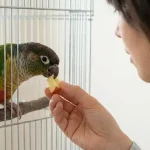
Birds: out-of-cage play, perches, climbing
Small pets: playpens, tunnels, climbing obstacles
Exercise prevents obesity, promotes fitness, and encourages natural behaviors.
4. Mental Stimulation and Enrichment
Enrichment prevents boredom and behavioral issues.
Ideas:
Puzzle feeders and treat-dispensing toys
Interactive toys for all species
Rotating toys and novel objects
Training sessions and bonding games
Mentally stimulated pets are happier, more confident, and less prone to destructive behavior.
5. Comfortable and Safe Environments
A safe and cozy environment supports emotional wellbeing.
Tips:
Beds, hideaways, and perches for comfort
Clean, spacious cages for birds and small pets
Quiet, low-stress areas for rest
Safe, supervised spaces for play
Comfortable environments reduce anxiety and promote natural behavior.
6. Social Interaction and Bonding
Regular interaction strengthens relationships and supports emotional health.
Strategies:
Daily play and affection
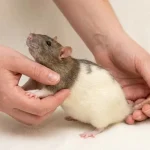
Gentle handling respecting pet boundaries
Short training sessions or tricks for engagement
Observe cues to avoid stress or overstimulation
Strong bonds lead to happier, more trusting pets.
7. Health Monitoring and Preventive Care
Early detection and preventive measures prevent illness.
Guidelines:
Observe coat, eyes, appetite, and behavior
Schedule regular vet check-ups
Maintain vaccinations, parasite prevention, and dental care
Adjust routines for pets with special needs
Preventive care ensures long-term health and wellbeing.
8. Age-Appropriate Care
Pets’ needs change throughout life. Tailoring care ensures comfort and safety.
Puppies/kittens: teething toys, frequent meals, gentle handling
Adult pets: enrichment toys, interactive play, exercise routines
Senior pets: softer bedding, gentle exercise, accessible feeding
Age-appropriate care supports physical, mental, and emotional health.
9. Quality Products for Daily Care
Using high-quality products enhances care routines.
Examples:
Feeding tools and bowls
Toys and enrichment items
Beds, hideaways, and perches
Grooming and hygiene tools
Products from trusted sources like Happy Pets Shop or Happy Pets Store guarantee safety, durability, and satisfaction.
10. Consistency and Routine
Consistency in care routines helps pets feel secure and happy.
Tips:
Set regular feeding, grooming, and play schedules
Rotate toys and enrichment activities
Maintain predictable daily interactions
Routine reduces stress and reinforces positive behaviors.
Conclusion
Following happy pets care tips ensures all pets—dogs, cats, birds, and small animals—remain healthy, active, and emotionally fulfilled.
By providing proper nutrition, grooming, exercise, enrichment, comfort, social interaction, and preventive care, owners can create an environment where pets thrive. Thoughtful products, consistent routines, and attention to individual needs result in long, happy, and contented lives for every pet.








0 Comments