

What Makes Pets Truly Happy? A Complete Guide
Every pet owner wants the same thing: a happy, healthy companion who feels safe, loved, and content. Whether you share your home with a playful dog, a curious cat, a cheerful bird, or a small furry friend, happiness is not an abstract concept for pets. It is something built day by day through care, environment, routine, and the choices you make as an owner.
Understanding what truly makes pets happy goes far beyond toys and treats. It is about meeting physical needs, supporting mental wellbeing, and creating a lifestyle where pets can express natural behaviors. In this complete guide, we explore what happiness really means for pets and how thoughtful care and quality products can make a lasting difference.
Understanding Pet Happiness
Pet happiness is a combination of physical comfort, emotional security, and mental stimulation. Unlike humans, pets live very much in the present. Their wellbeing depends on how safe they feel, how well their needs are met, and how predictable their daily lives are.
A happy pet typically shows clear signs of contentment:
Relaxed body language
Healthy appetite
Curiosity and engagement with their environment
Willingness to interact and play
Regular sleep patterns
When these elements are missing, pets may show stress, anxiety, or behavioral issues. Happiness is not accidental. It is the result of consistent, thoughtful care.
A Safe and Comfortable Environment
One of the foundations of pet happiness is a safe and comfortable living space. Pets need an environment where they feel protected and at ease. This includes both physical safety and emotional comfort.
A comfortable environment means:
A quiet place to rest without constant disturbance
Proper temperature and ventilation
Clean, well-maintained living areas
Access to fresh water and appropriate food
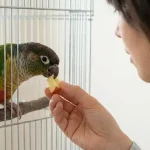
For many pets, having their own designated space creates a sense of security. Dogs enjoy having a bed or crate where they can relax. Cats often seek elevated or enclosed spots where they feel in control. Birds and small pets benefit from cages or habitats designed to support natural movement and exploration.
Creating a supportive home environment lays the groundwork for long-term happiness.
The Role of Routine in Pet Wellbeing
Pets thrive on routine. Knowing what to expect reduces stress and builds trust. Regular feeding times, walks, play sessions, and rest periods help pets feel secure in their daily lives.
A predictable routine:
Reduces anxiety
Encourages healthy sleep patterns
Improves behavior
Strengthens the bond between pet and owner
Routine does not mean boredom. It provides structure, within which play, training, and enrichment can flourish. When pets understand their daily rhythm, they feel more confident and relaxed.
Mental Stimulation and Enrichment
Mental stimulation is just as important as physical care. Boredom can lead to destructive behavior, restlessness, or withdrawal. Happy pets are mentally engaged pets.
Ways to provide enrichment include:
Interactive toys and puzzles
Training sessions that challenge the mind
Rotating toys to keep interest fresh
Opportunities to explore new scents, textures, or sounds
Dogs benefit from problem-solving toys and varied walking routes. Cats enjoy climbing, hunting-style play, and observation points. Birds require stimulation through movement, sound, and interaction. Small pets need opportunities to dig, chew, or explore safely.
Mental enrichment allows pets to express natural instincts, which is essential for emotional wellbeing.
Physical Health and Comfort
A healthy body supports a happy mind. Physical discomfort can quickly affect a pet’s mood and behavior. Regular veterinary care, proper nutrition, and suitable products all play a role in maintaining comfort.
Key elements of physical wellbeing include:
Balanced, species-appropriate nutrition
Regular exercise suited to age and ability
Grooming and hygiene
Preventive healthcare
Quality products such as supportive beds, ergonomic bowls, and appropriate harnesses or collars contribute directly to comfort. Small details matter. A poorly fitting accessory or uncomfortable sleeping surface can create ongoing stress without being immediately obvious.
Nutrition and Happiness
Food is more than fuel. Nutrition affects energy levels, digestion, coat health, and even behavior. Pets fed a balanced, high-quality diet are more likely to be active, alert, and emotionally stable.
Proper nutrition supports:
Healthy digestion
Strong immune function
Shiny coats and healthy skin
Consistent energy levels
Feeding routines also create positive associations. Mealtime is often a highlight of the day for pets, reinforcing feelings of safety and care.
Social Interaction and Bonding
Pets are social beings, even those that appear more independent. Meaningful interaction builds trust and emotional security. The form of interaction varies by species, but the principle remains the same: pets need connection.
Social bonding can include:
Playtime
Training and positive reinforcement
Calm companionship
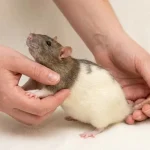
Gentle physical contact, when appropriate
For many pets, their human family is their primary social group. Consistent, positive interaction strengthens the relationship and reinforces a sense of belonging.
Respecting Natural Behaviors
True happiness comes when pets are allowed to be themselves. Each species has natural behaviors that should be supported, not suppressed.
Dogs need to explore, sniff, and move.
Cats need to climb, scratch, and observe.
Birds need to perch, vocalize, and interact.
Small pets need to hide, chew, and explore.
Providing products and environments that support these instincts prevents frustration and promotes emotional balance. When pets can express natural behaviors safely, they are more confident and content.
The Importance of Quality Products
Not all pet products are created equal. Items designed with animal comfort and safety in mind make a noticeable difference in daily life. From toys and beds to feeding accessories and enrichment tools, quality matters.
Well-designed products:
Last longer
Improve comfort
Reduce stress or frustration
Support healthy behaviors
Choosing thoughtfully curated products from a trusted pet store helps ensure that every item contributes positively to your pet’s wellbeing.
Happiness Is Built Over Time
Pet happiness is not a single purchase or action. It is an ongoing process shaped by daily choices. Small improvements, made consistently, add up to a better quality of life.
By focusing on environment, routine, enrichment, health, and connection, you create a life where pets feel secure and valued. Happy pets are not just easier to live with. They are more expressive, more trusting, and more deeply bonded with their owners.
When pets feel understood and cared for, happiness becomes a natural part of everyday life.








0 Comments